Christian hope is not optimism that everything will immediately improve. It is confidence in God’s character, promises, resurrection, and coming kingdom when the present still feels unfinished.
Read in context
These readings include lament, patient waiting, the work of the Holy Spirit, and the living hope announced through Jesus Christ. Lamentations speaks from devastation; Romans describes hope formed through endurance; Hebrews pictures an anchor; Peter points to resurrection. Their settings matter because biblical hope is spoken into suffering rather than around it.
A prayerful way to use these passages
Do not rush past disappointment. Tell God what you are waiting for, then read the passage in its larger paragraph. Write down one promise the text actually makes and one promise it does not make. Let hope shape the next faithful action without demanding certainty about the timetable.
Where do I need to wait with God instead of manufacturing a quick answer?
Read with the bigger picture in mind. Each passage below includes a note about its context. How we approach Scripture.
Selected passages. Open a passage to read, reflect and continue within this theme.
Paul places this hope in a sequence that moves through suffering, endurance, and tested character, with God's love poured out through the Holy Spirit. Hope is not exemption from pain; it is confidence that God remains at work within it.
After warning and encouragement, Hebrews points to God's promise and oath as the ground of an anchor that reaches behind the veil. Christian hope is secured in God's faithfulness rather than in a forecast that present conditions will quickly improve.
Peter blesses God while addressing believers who know displacement and testing, grounding their living hope in Jesus Christ's resurrection. Resurrection hope can sustain grief without turning into shallow positive thinking.
This confession rises from a poem that looks directly at Jerusalem's devastation and the speaker's anguish. Calling the Lord one's portion allows hope and grief to remain in the same prayer instead of forcing a premature resolution.
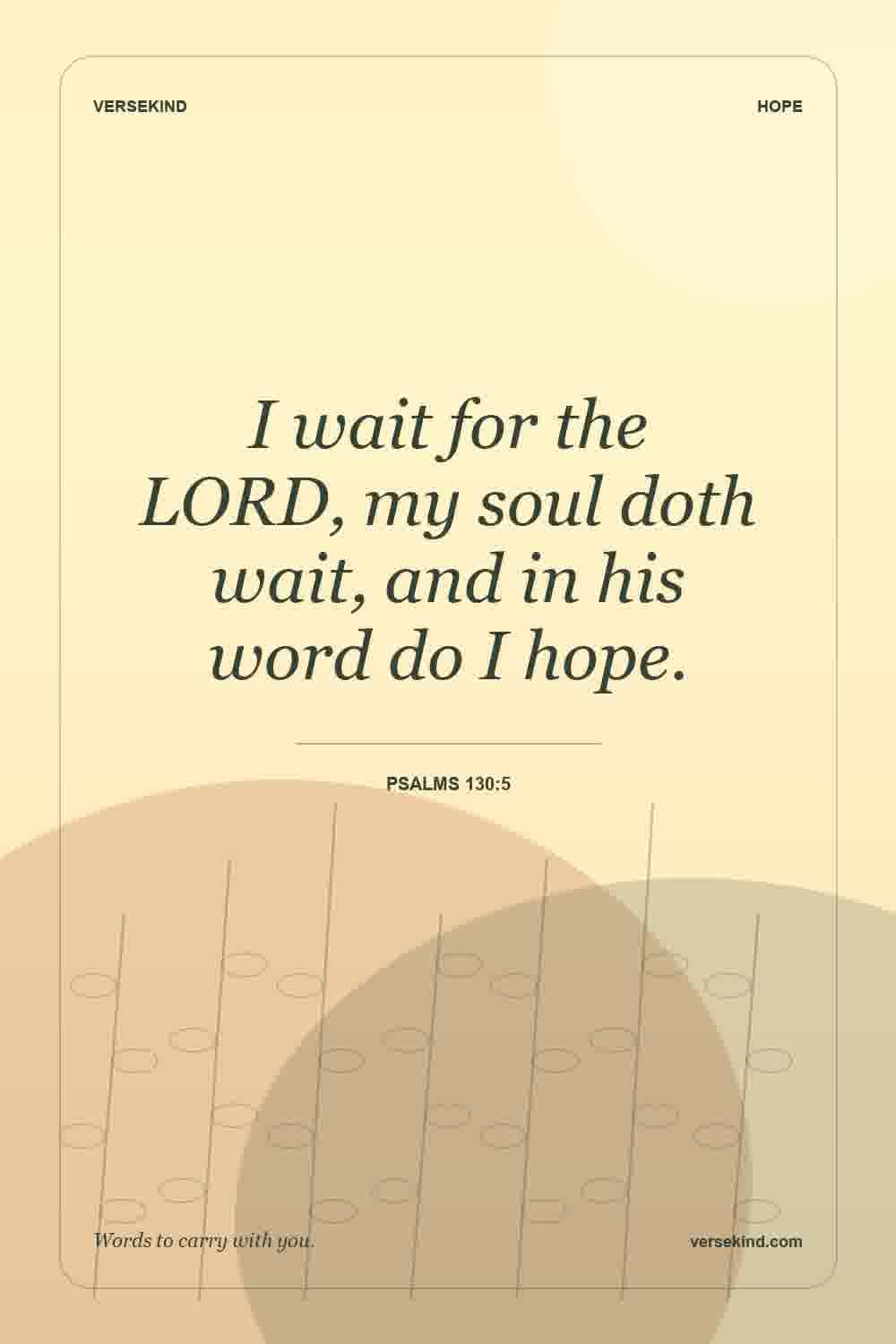
Psalm 130 is a song from the depths that waits for the Lord and for redemption according to his word. Waiting faithfully means speaking honestly from need while refusing to manufacture an answer God has not promised.
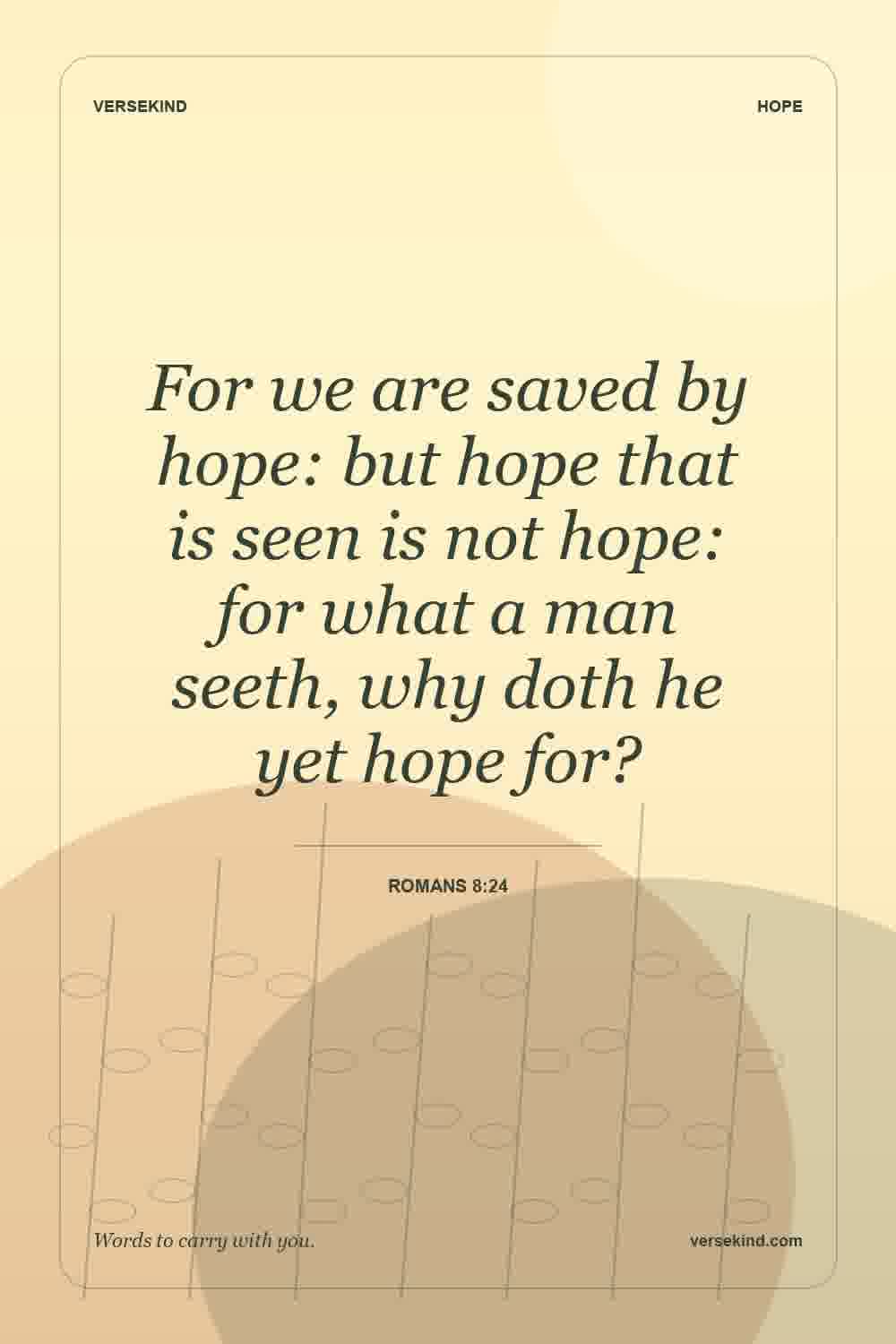
Paul writes about creation's groaning, the Spirit's help, and believers waiting for the fullness of adoption. This hope faces what is still unseen and learns patience rather than demanding certainty about God's timetable.
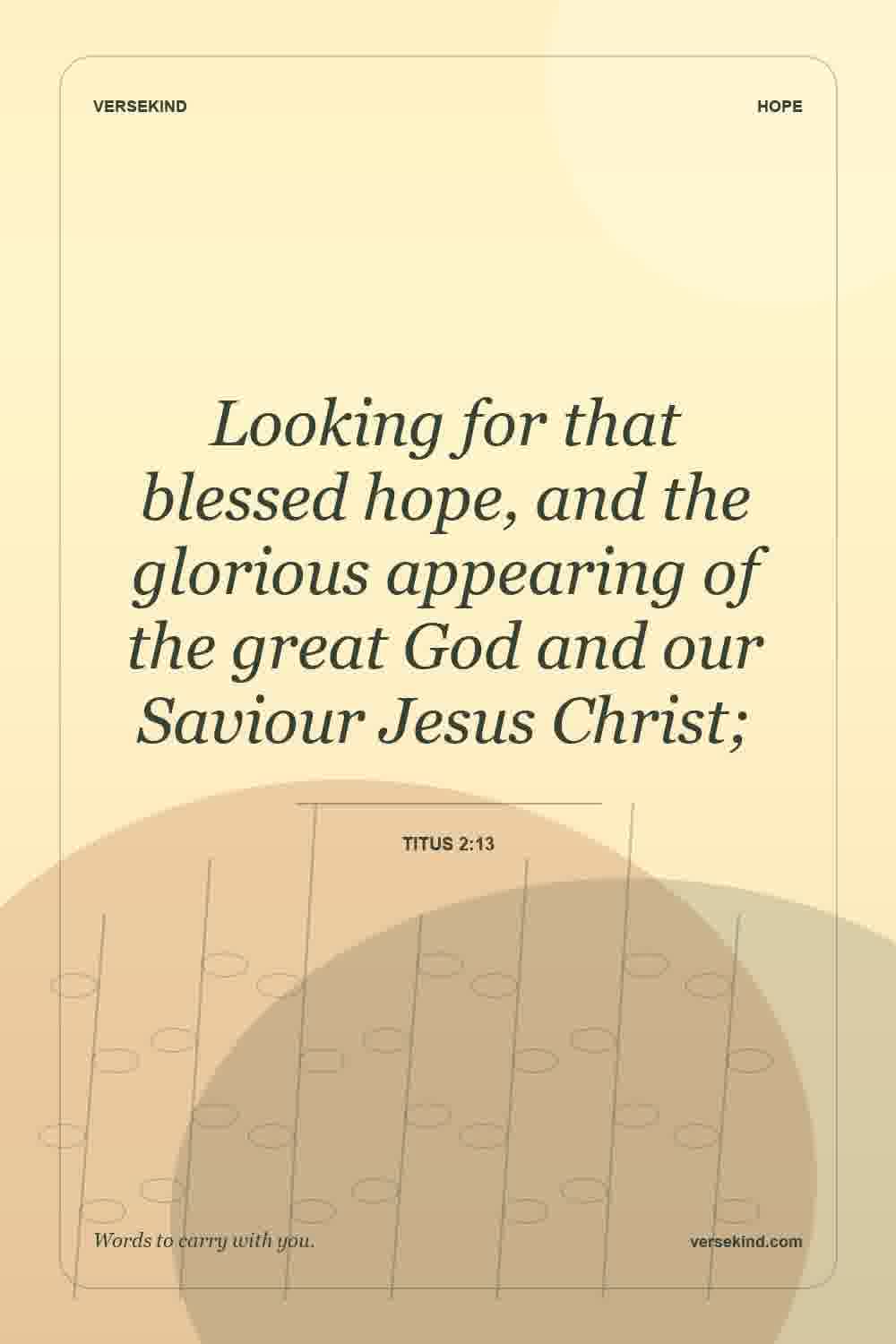
In Titus, waiting for Christ's appearing belongs to a larger call to live soberly, justly, and faithfully in the present age. Future hope should form present character rather than encourage escape from today's responsibilities.
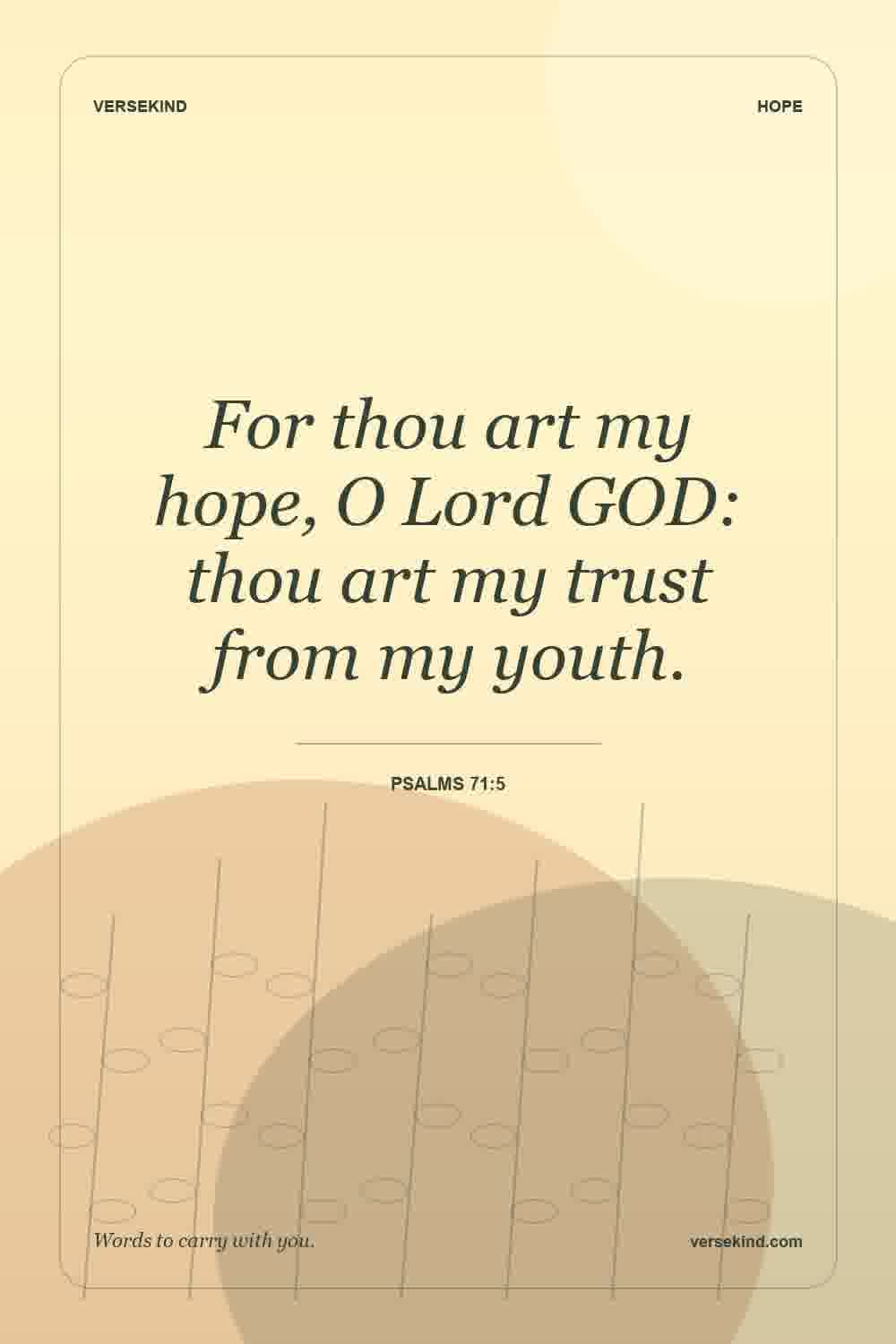
The psalmist looks back on a long history of depending on God while again asking for refuge. Remembering earlier faithfulness can strengthen present prayer without assuming that the next season will be easy.