Faith is a trusting response to the God who has spoken and acted. It includes belief, but Scripture also describes allegiance, dependence, perseverance, and obedient movement when the whole road is not visible.
Read in context
Hebrews places faith inside a long story of people who trusted God’s promises without receiving every answer immediately. Paul grounds saving faith in grace rather than achievement. James addresses divided asking, while Jesus calls his followers to pray with confidence in God. The sayings about receiving in prayer or moving mountains are not blank cheques for any desired outcome and must never be used to blame suffering on insufficient faith.
A prayerful way to use these passages
Ask what this passage reveals about the One you are trusting. Name the evidence of God’s faithfulness already present in Scripture and in your own story. Then choose one act of obedience that does not depend on feeling fearless first. Faith can coexist with questions and unanswered prayer; bring both to God instead of pretending they are absent.
What faithful next step is clear even though the outcome is not?
Read with the bigger picture in mind. Each passage below includes a note about its context. How we approach Scripture.
Selected passages. Open a passage to read, reflect and continue within this theme.
This sentence introduces a chapter of witnesses who acted on God's promises while many outcomes remained distant. Faith is confidence in the God who speaks, not a power for making any unseen wish become reality.
In parental wisdom instruction, the hearer is urged to rely on the Lord rather than making personal understanding ultimate. Trusting God does not require rejecting careful thought, truthful evidence, or wise counsel.
Paul speaks about mortal life, resurrection hope, and the desire to please Christ when the final reality is not yet visible. Walking by faith is not permission to ignore facts; it is faithful allegiance within present limits.
Jesus teaches about prayer amid the temple conflict and immediately joins believing prayer with forgiveness. This is not a technique guaranteeing every desired outcome; Christians pray confidently under God's character and will, without blaming sufferers for an unanswered request.
James is specifically urging believers under trial to ask God for wisdom without divided loyalty. The image challenges a life pulled between masters, not the honest questions of a person who brings uncertainty to God.
Within Paul's argument about justification, this testimony describes union with Christ and a life received by faith rather than achieved through the law. Christian identity begins with Christ's self-giving love and then reshapes ordinary obedience.
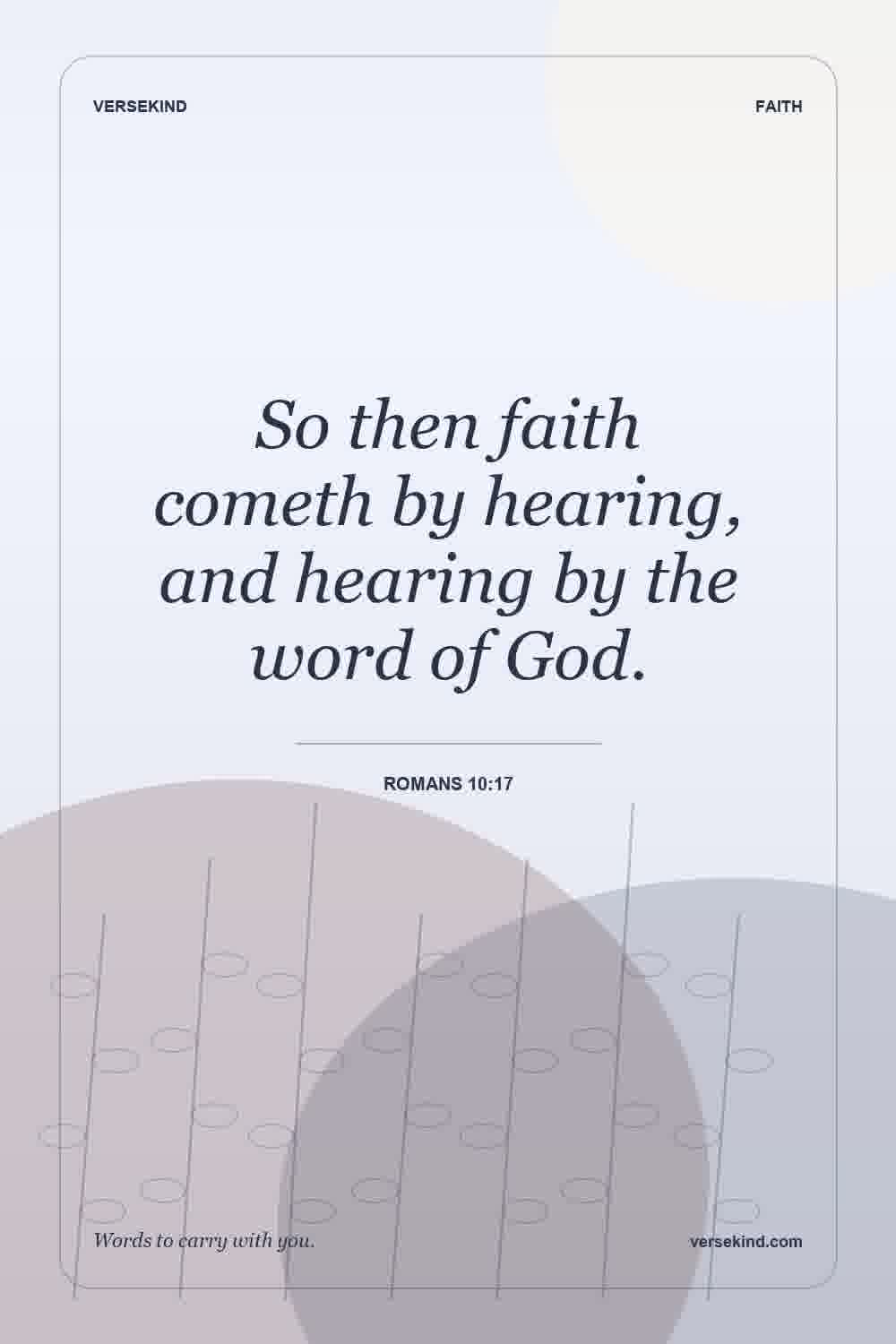
Paul is explaining how the good news of Christ is proclaimed, heard, and believed. Faith grows through receiving God's message; the verse is not about repeating a personal desire until certainty appears.
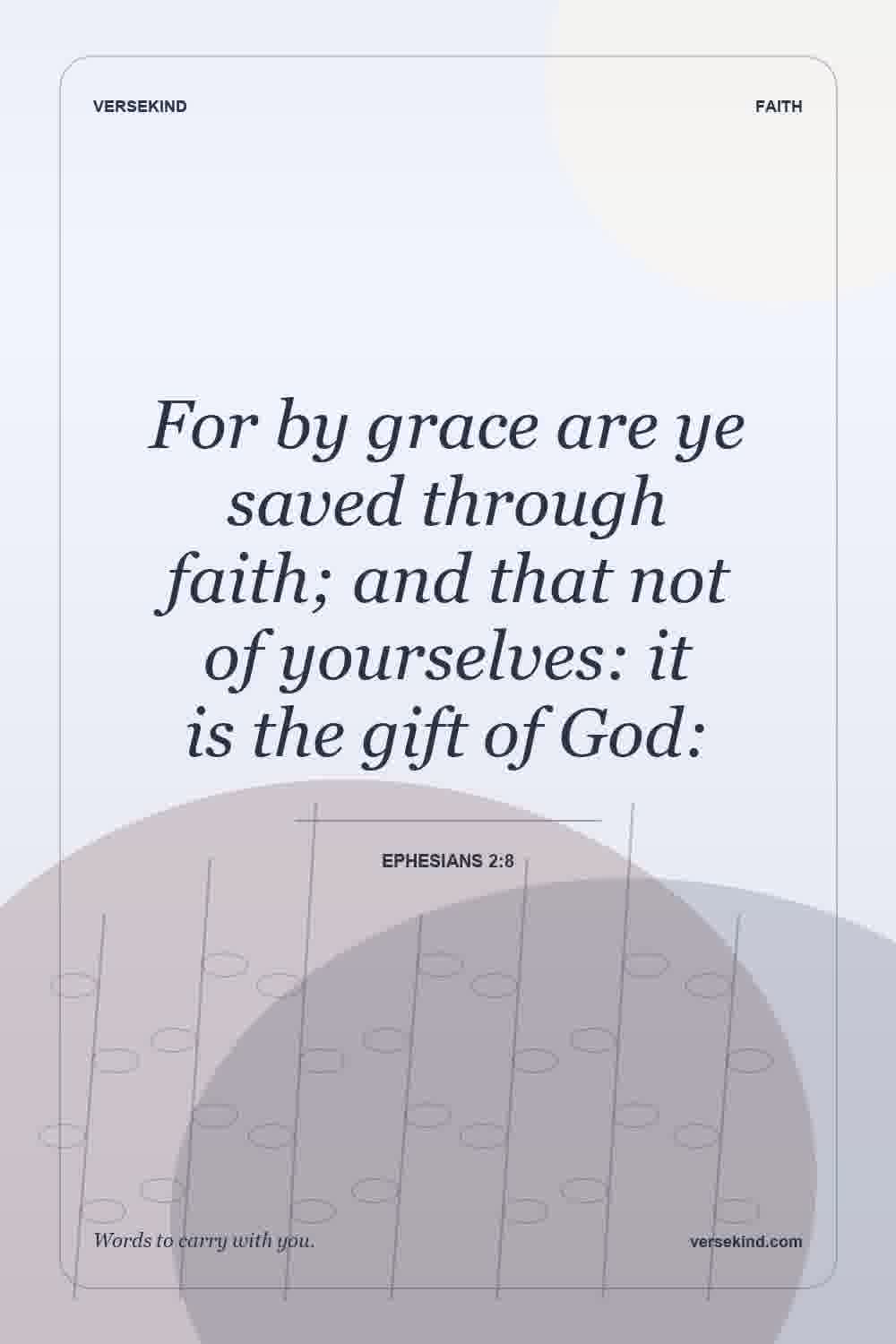
Paul places salvation within God's movement from spiritual death to life and explicitly excludes boasting. Grace is God's gift, received through faith, and the following verses direct the saved community toward good works rather than self-made worth.
This wisdom psalm contrasts the temporary flourishing of evildoers with a patient life entrusted to the Lord. Committing one's way is a call to faithful waiting, not a promise that God will endorse every private plan.
Jesus responds after the disciples fail to help an afflicted boy and uses the mustard seed to expose their need for genuine dependence on God. The saying is not a blank cheque for miracles and must never be used to blame an ill or suffering person for lacking faith.
Within the account of faithful witnesses, Hebrews says that approaching God involves trusting who he is and that seeking him is not empty. Diligence is a response of faith, not a payment that obligates God to provide a chosen result.